Vegan Food Digestion: Explained
Category : |
Sub Category : Posted on 2023-10-30 21:24:53
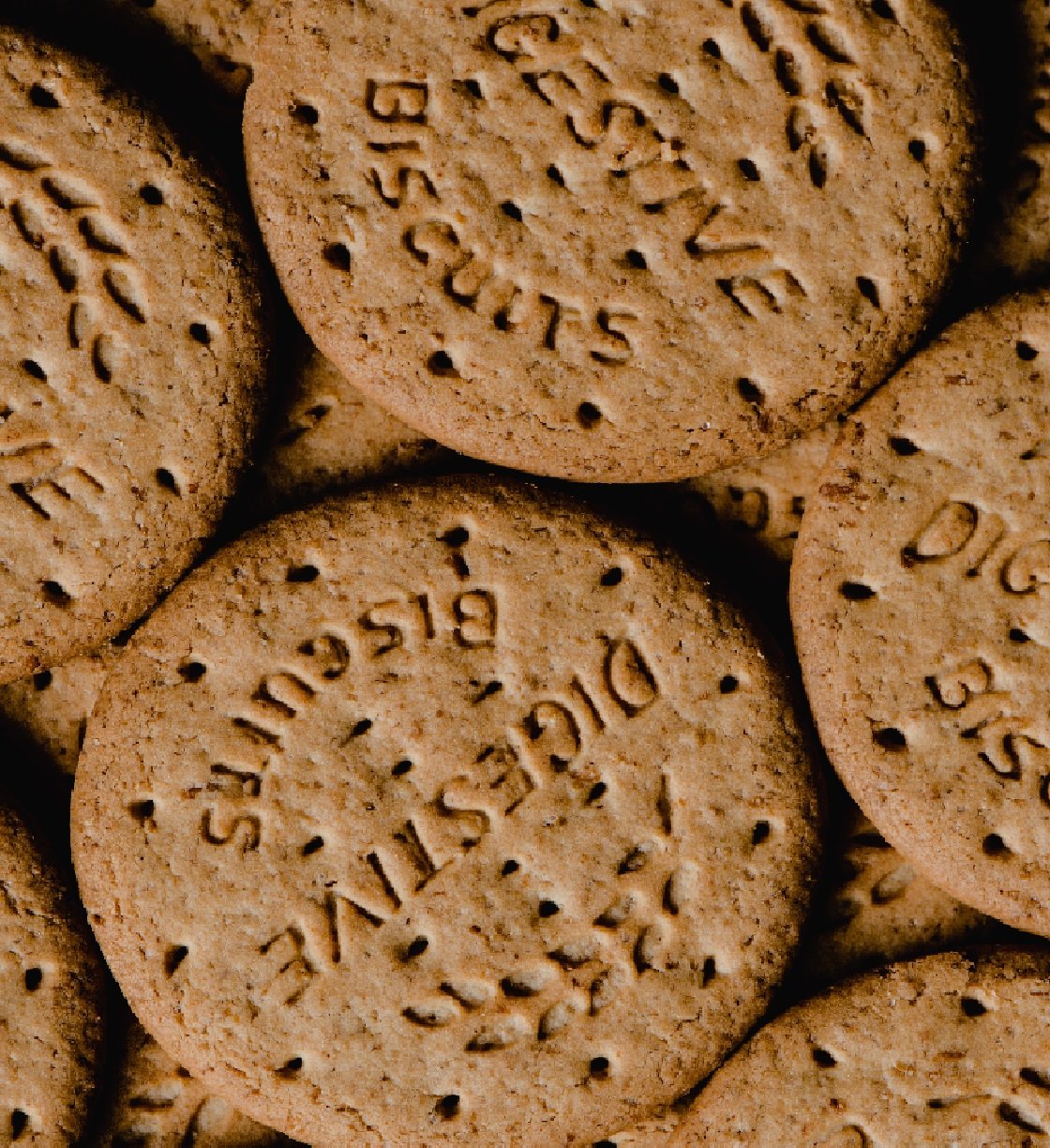
In recent years, the popularity of veganism has risen exponentially as more people become conscious about their health, environmental impact, and animal welfare. While the vegan lifestyle offers numerous benefits, one important aspect that often comes up in discussions is vegan food digestion. In this blog post, we will explore what vegan food digestion is all about and how it differs from a non-vegan diet. Digestion is the process through which our bodies break down food into smaller components, allowing nutrients to be absorbed and utilized for energy and various bodily functions. When it comes to vegan food digestion, the primary difference lies in the absence of animal products. Vegan diets predominantly consist of plant-based foods such as fruits, vegetables, legumes, whole grains, nuts, and seeds. These foods are rich in fiber, vitamins, minerals, and antioxidants, which play a key role in maintaining optimal health. However, they also require special attention during digestion. Fiber, specifically soluble and insoluble fiber, is abundantly found in plant-based foods. It aids in digestion by adding bulk to the stool, promoting regular bowel movements, and preventing constipation. Soluble fiber forms a gel-like substance in the gut, which helps slow down the digestion process, promoting the gradual release of nutrients into the bloodstream and stabilizing blood sugar levels. The high-fiber content in vegan diets can offer significant health advantages, such as reducing the risk of heart disease, stroke, and certain types of cancer. However, this increase in fiber can also lead to digestive discomfort, especially if your body is not accustomed to it. Common symptoms include bloating, gas, and sometimes diarrhea. It is important to gradually increase your fiber intake and drink plenty of water to minimize these potential side effects. Another aspect of vegan food digestion is the absence of animal protein. Plant-based proteins, such as those found in legumes, soy products, and grains, are generally easier to digest than animal proteins. However, it is essential to ensure a varied and balanced intake of plant-based proteins to meet all essential amino acid requirements. Combining different protein sources can help achieve this balance. Certain nutrients, such as iron and vitamin B12, require greater attention in vegan diets as they are primarily found in animal products. Iron from plant sources (non-heme iron) is less readily absorbed by the body compared to the heme iron found in animal products. To enhance iron absorption, it is recommended to consume foods rich in vitamin C alongside iron-rich meals. As for vitamin B12, which is essential for nerve function and the formation of red blood cells, vegans may need to consider supplementation or fortified foods to meet their recommended intake. In summary, vegan food digestion refers to the process by which our bodies break down plant-based foods to extract and absorb essential nutrients. While the increased fiber content in a vegan diet promotes optimal digestion and overall health, it can lead to initial digestive discomfort. Additionally, mindful planning and potential supplementation are necessary to ensure adequate nutrient intake, especially for iron and vitamin B12. By understanding the intricacies of vegan food digestion, individuals can embrace veganism with confidence, knowing they are making informed choices to benefit their health and the planet. For a different perspective, see: http://www.deleci.com If you're interested in this topic, I suggest reading http://www.alienvegan.com If you are interested you can check http://www.eatnaturals.com To get a different viewpoint, consider: http://www.mimidate.com


